
Philosophy with Integrity
Compressor shelter내의 HC 누출로 인한 화재/폭발 예방 방안 (2): Ventilation 본문
Natural Ventilation: Outdoor Installation
Compressor를 사방이 open되어 이는 outdoor에 설치하면 누출된 HC이 natural ventilation에 의해서 희석되어 LEL이하로 유지되는 것을 기대할 수 있다. 그러나 아래의 이유들로 shelter와 같은 structure형태의 빌딩안에 설치한다.
- to protect equipment and personnel from environmental factors, such as rain, wind, snow, solar radiation, and temperature fluctuations
- to ensure proper ventilation, such as generated heat, exhaust gas
- to manage potential hazards.
- to reduce noise and emissions (VOCs and pollutants)
- to offer a space for safe operation and maintenance.
추가적인 이유로 local regulation에서 shelter 설치를 요구하는 경우도 있다. 그러므로 상황에 맞게 적절한 shelter design이 필요하다. 본 posting에서는 누출된 H2의 ventilation측면에서 shelter design에 고려해야할 사항을 정리하겠다.
Natural Ventilation: Passive Ventilation in Building
적절한 building design은 누출된 HC의 농도가 희석되는 도움을 줄 수 있다.
- Heavier than Air: 누출되면 ground(바닥)로 가라앉아 축적되려는 경향이 있으므로 환기구/통로를 바닥 근처에 설치하는 것이 좋다 (near ground)
- Lighter than Air: H2을 포함한 가벼운 HC은 누출되면 분산되며 shelter의 상부에 모이려는 경향이 있다. ceiling, under the roof, 상부의 사각지대 (air pocket) 등. 그래서 환기구/통로를 ceiling, 지붕 아래에 설치하는 것이 좋다. (Fig 1. 참조). 대량 누출이 아닌 fugitive emisson이 발생한 경우라도 위와 같이 건물 상부에 축적될 수 있다.
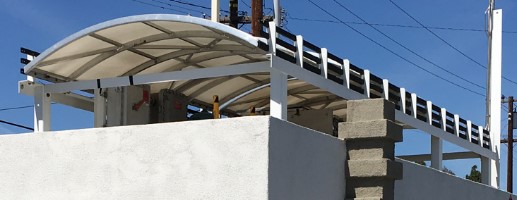
OSHA standard [2]에는 natural ventilation을 극대화하기 위한 환기구 설계에 대한 규정이 있다. 환기를 위해 inlet/outlet 환기구를 요구하고 있으며 inlet은 near ground에 outlet은 near ceiling에 위치하며 building volume에 따라 최소 환기구 사이즈를 규정하고 있다.
1910.103(b)(3)(ii)(b) Adequate ventilation to the outdoors shall be provided. Inlet openings shall be located near the floor in exterior walls only. Outlet openings shall be located at the high point of the room in exterior walls or roof. Inlet and outlet openings shall each have minimum total area of one (1) square foot per 1,000 cubic feet of room volume. Discharge from outlet openings shall be directed or conducted to a safe location.
Adequate ventilation을 구분하는 조건은 하기의 포스팅을 참조할 수 있다. Compressor building은 ceiling이나 wall에 opening을 최대한으로 확보하여 artificial ventialtion을 최대한 피하는 것이 바람직하다.
https://vegabondsheyla.tistory.com/42
Building의 ventilation type과 그 정도를 결정하는 절차 및 기준
Building의 ventilation type과 그 정도를 결정하는 절차 및 기준을 정리하고자 한다. Building의 특성에 따라 구분 (HC source/Ignition Source)Non-hazardous building: ignition source는 될 수 있지만 HC source는 아닌 경우Co
vegabondsheyla.tistory.com
Forced Ventilation: Active Ventilaiton in Building
Adequated ventilation이 아니라고 판단되면 강제적으로 공기의 흐름을 만들어 내부의 H2 농도를 낮추는 설비가 필요하다. 일반적으로 Target concentration은 H2 LEL의 25% (1 vol% H2)로 권고하고 있다 [1].
NFPA 2 [3]은 다음과 같이 Ventilation system을 설계할 때 필요한 요건 등을 명시하고 있다
(1) Forced ventilation rate
건물의 단위 면적 및 단위 시간당 volumetric flow rate를 제시한다. 다만, 이 값은 대량의 H2가 누출된 상태를 고려하여 적용한 유량은 아니라고 판단된다. 그러므로 H2가 축적되는 경우를 대비하여 건물 상부 및 사각지대에 H2 detector를 함께 고려하는 것이 적절해 보인다.
6.18.1 Ventilation Rate. Mechanical exhaust or fixed natural ventilation shall be provided at a rate of not less than
1 scf/min/ft2 (0.0051 m3/sec/m2) of floor area over the area of storage or use.
(2) Exhaust system
H2는 건물 상부 및 주변 사각지대에 축적되어 있을 가능성이 높으므로 이 부분에 exhaust inlet을 설치하는 것이 적절하다.
6.18.2.1.4.2. For gases that are lighter than air, exhaust shall be taken from the point within 12 in (305 mm) of the ceiling. The use of supplemental inlets shall be allowed to be installed at points below the 12 in.(305mm) threshold level.
(3) Ventilation Discharge
배출 gas가 H2-air mixture이므로 수평, 수직 측면에서 충분한 space를 확보하여 추가적인 risk가 발생하는 것을 예방하기 위한 내용이다. 즉, H2 mixture를 배출할 수 있는 safe location에 대한 정의를 명시하고 있다.
6.18.2.1.7 Ventilaiton Discharge
Ventilation discharge systems conveying hydrogen mixtures shall terminate at a point outdoors not less than 30ft (9.1m) from property line, 10ft (3m) from operable openings into buildings, 6 ft (1.8 m) from exterior walls and roofs, 30 ft (9.1 m) from combustible walls and operable openings into buildings that are in the direction of the exhaust discharge, and 10 ft (3 m) above adjoining grade.
만약 해당 ventilation system이 멈춘 경우 혹은 detector를 통해 H2 축적이 예상되는 경우를 대비해 automati shutdown 이나 system isolation을 고려할 수 있으나, 이는 시스템 별로 개별적인 검토가 필요하다. Occupied building이라면 외부로 부터 toxic/flammable 물질이 인입되지 않도록 emergency isolation system이 필요하다. 또한, building 내부에 HC이 상시 존재할 수 있어 artificial ventilation system이 고려된 경우에도 외부로 부터 oxic/flammable 물질이 인입되지 않도록 emergency isolation system이 필요하다.
In summary,
법적 요건, 기기 보호 혹은 operation/maintenance 편의 등을 위해 Compressor system을 shelter 안에 설치하는 경우가 많다. 이런 경우 최대한 shelter의 design을 natural ventilation을 극대화할 수 있도록 설계하는 것이 적절하다. 특히, 누출사고가 아닌 일상 운전시 H2 leakage가 예상되지 않는 경우는 shelter에 passive ventilation을 고려하며, 일상적으로 H2가 배출될 수 있는 경우라면 forced ventilation system을 통해 H2 gas 축적을 예방하는 것이 적절해 보인다.
Existing Facilities
위의 조치는 모두 신규 설비 및 기존에 설치되어 운영중인 설비에도 위의 모든 요건을 적용가능하다고 판단한다.
References
[1] H2tools.org - ventilation
[2] OSHA standards CFR 1910.103
[3] NFPA 2, Hydrogen
'내일 공부' 카테고리의 다른 글
| Layered Gas Detection System (0) | 2025.05.28 |
|---|---|
| Building의 ventilation type과 그 정도를 결정하는 절차 및 기준 (0) | 2025.05.25 |
| Column skirt에 내부에도 내화 (fireproofing)를 적용하는 것이 적절한가? (0) | 2025.05.23 |
| SIF의 SIL determination시 주의할 점 (0) | 2025.05.19 |
| 머신 러닝을 통한 최적화 결과를 공정 운영에 적용: Process safety engineer의 역할 (0) | 2025.05.19 |


